

According to recent Government figures, a huge proportion of the British public is not in employment or further education.
There are a variety reasons for this, including apparent job shortages, education disadvantages and increasingly health, and particularly mental health issues.

The Covid pandemic is often blamed for many long term health problems which are linked to an impaired immune system, and have resulted in many instances of severe fatigue, mental health and mobility problems.
All ages appear to have been affected, and as there does not seem to be a prescriptive cure, individuals feel they are unable to work and therefore remain at home.
Due to Government guidelines at the time of Covid, work situations and education were swiftly curtailed and in many instances were replaced by the internet.
This had far reaching consequences, particularly for pupils and students of all ages as they felt cut off from their peers, and were faced with a technological system with which they were unfamiliar, and in reality was not ready for such widespread use.
The delivery of much of this work was also disproportionate, as not all households had the same availability of resources.
The fact that during lock down, life revolved around home and restricted activities, the withdrawal from aspects of social interaction had a profound effect on students.
Anxiety is a very unpleasant emotion. It stems from fear, and seems to be the number one mental health complaint from the young and adults alike, and not always associated with post Covid.
Why should this be? Feelings of fear and inadequacy manifest themselves in physical symptoms such as stomach pains, sleep disturbance, increased heart rate, muscle tension, worry and feeling unable to face the day.
The individual may decide to just stay at home due to a loss of confidence, as they feel they cannot concentrate on education or a job, and are unable to cope with travel or the demands of daily life.
Any consultations with a GP or mental health professional, will usually involve some prescribed medication to calm the feelings of anxiety.
This may help, but is not getting to the root of the problem.
Often following on from anxiety is depression, of which there are different types.
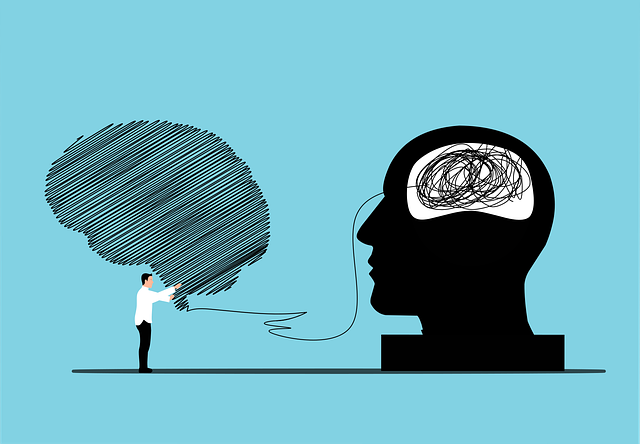
Some depressions are part of a person`s DNA, and may run in families. They are triggered by certain hormones and an imbalance within the brain pathways. They may have little to do with what is going on in an individual`s life, and because of this are often completely misunderstood.
Depression is a feeling of darkness, sadness, hopelessness and despair, making it seem like an overhanging black cloud which will never lift.
Other forms of depression are linked to specific triggers such as a bereavement, relationship break up or a very traumatic or negative incident in an individual`s life.
The source can usually be recognised and a way forward anticipated when circumstances improve.
Long term unemployment can be a trigger. A feeling of hopelessness and failure and fear for the future with links to poor financial outlook and relationship problems.
The longer it goes on, the more the feelings of inadequacy and loss of confidence persist.
As a country, have we always had this reaction to challenges and have we always dealt with it in this way?

In the lifetime of some, admittedly fewer and fewer, there had been a war which ended in 1918, a depression which lasted 1929-1939 and World War 2 from 1939 -1945. In other words continuous stress and disruption, including loss of life and long term unemployment and hardship.
There was no benefit system, no NHS, home ownership non existant other than for those with private means.
During the Depression, the country had all but collapsed financially as a result of the U.S. Wall Street Crash, which meant that industry and the financial sector were severely affected.
Families were large and had to be fed and looked after. Many husbands, fathers and male family members did not come home from war, leaving women to take on the responsibility of taking care of the family with no regular income.
How they coped doesn`t bear thinking about, but we don`t have far to look to see more or less a carbon copy happening in various parts of the world today.
What we see on our TV screens are people fleeing their devastated war torn homes in the clothes they stand up in, clutching children and basic necessities with destination unknown.
Following WW2, the UK began to turn a corner. A Labour government came to power which introduced many radical changes.
Large sums of money were invested to build houses for the war damaged communities. Homes were larger to accommodate families, and areas known as new towns sprang up. Schools, hospitals and community facilities were built or added to.
Many work places were Nationalised and Unions formalised to protect workers.
The NHS was introduced in 1948, alongside an improved model of the availability of the Welfare State to include a State Pension and updated National Insurance.
As the years have gone on, as a country we have had little in the way of major disruption to our lives, apart from Covid and the severe cost of living crisis which we are facing at the moment.
We grew used to having our health care delivered free of charge and benefiting from the latest health interventions. These included gp and multi agency services which offered vaccinations, preventive medicine and related support.
Housing was available either in council accommodation, some tied housing and an increased number of privately owned properties.
School education was free and available to all. Further education in university was limited to those wishing to pursue academic professions and was costly, but expanded rapidly from the 1970s onwards. Colleges and apprenticeships became popular, and many people attended "Night School" to gain qualifications and improve job prospects.
The economy had expanded and stabilized with people having more disposable income to spend on material items.
Car ownership, labour saving household appliances, larger choice of clothing, and holidays at home and abroad became the norm.
The Welfare system introduced various benefits to cover anyone out of work, to those with disabilities and some long term illnesses.
In 1976 Maternity Leave was introduced, as many women were now working in full time jobs, as an increasing number had completed further education.
Compared to parents and grandparents, life in most of the U.K. had changed enormously and the country appeared to have improved out of all recognition.
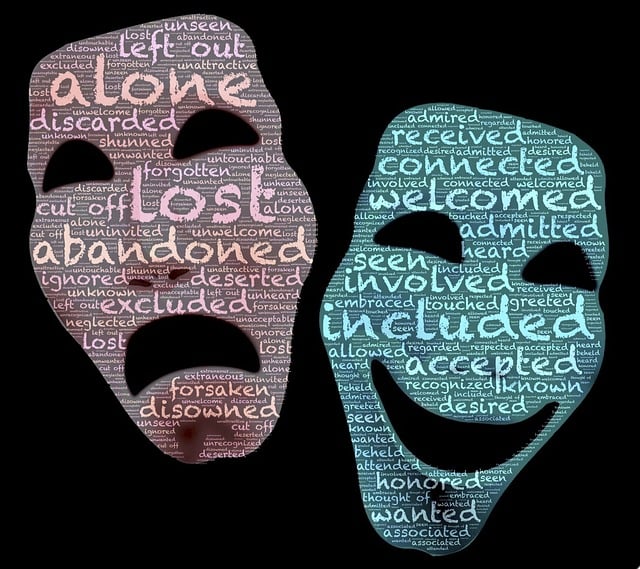
It seemed that around about this time, some people started complaining of having "anxiety".It was described as a feeling of trepidation and nervousness.
The advice was generally to "pull yourself together.... take a deep breath and carry on".
This had always been the way of dealing with challenges throughout the many traumas of the 1900s.
Medications known as tranquillizers were increasingly prescribed. These had a calming effect but like all medications often had underlying side effects.
Why should this be, as people were generally better off in so may ways, with improved housing and health care, education pathways, employment opportunities, and material items?
Despite all these plusses, mental health issues have gradually been increasing over a number of years, but reaching huge numbers since the Covid pandemic.
For years treatment was more or less ignored. Mental health was not given publicity compared to the status of other aspects of health, being reserved for the most serious of psychiatric conditions which gave it a negative public stigma.
As a result, staff training for acute episodes of mental health such as anxiety and depression was woefully inadequate, and continues to be, and is proving to be such a barrier to those requiring assessment and treatment.
Such are the increased statistics , which show young children are suffering from stress and anxiety at a vey early age. Teenagers are staying in their room rather than interact with their family, and parents are taking time off work, as are so stressed that they feel they can`t hold down a job...so what is going on?
There are many suggestions.
Some feel that life is too "soft" and people don`t know how to deal with the inevitable stresses of life.
Others think that life is too busy with everything being done at such speed, and not taking time to appreciate the small stuff.
Do parents indulge their children and do too much for them?
Social media and technology are often blamed, with social network platforms dominating the lives of particularly young people in the form of phones and digital devices.
They are bombarded with information which promotes material items and lifestyles which not everyone could or should aspire to.
It does seem that there is a general thread running through modern life in the West, which suggests that expectations either on a personal or material level become benchmarks of success, acceptability and happiness, and in order to feel "good enough", individuals must strive to achieve these expectations, causing constant anxiety and worse along the way.
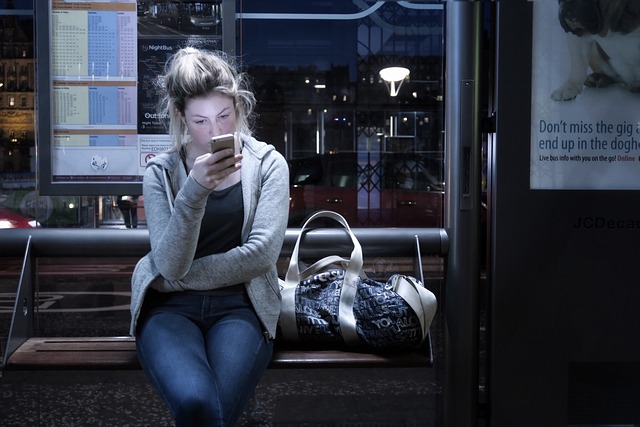
At last some action looks like being taken in schools. Smart phones which are so much part of the daily life of young people are going to be monitored more strictly, as they have become such an addiction.
Discussions on mental health are becoming more widesread in schools, further education establishents and the work place, in order to open up a subject which was previously not spoken about.
Various cognitive and relaxation therapies have been recommended, but shortage of trained staff makes it difficult to be assessed and implemented on a wider basis.
In the short term, if considered physically fit, there is no reason why one can`t join a yoga class, or read up on mindfulness. There are numerous websites such as Head Space and Beyond Blue, which give recommendations for self help, and many videos and books on the subject of improving mental health.
Simple changes such as walking more, eating a healthy diet, engaging with the natural world, getting involved with practical hobbies and not attaching such importance to having the latest material item just because everyone else has it, help to reduce stress levels.
We are all different and have varying levels of strengths and weaknesses, and we don`t all mature at the same rate.
Perhaps if less time was spent trying to emulate others, more time could be spent on developing the unique capabilities and potential that we all have as individuals.
Opt In for for updates!