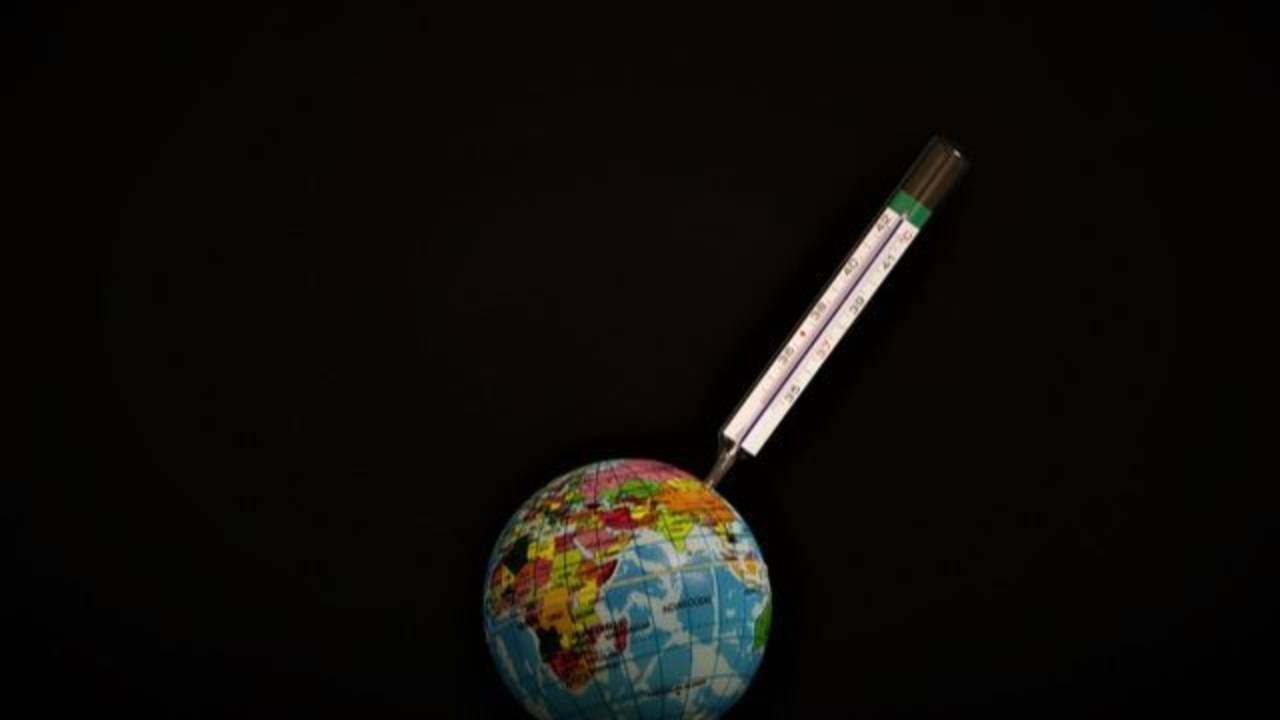
BLOG CORNER: HOT, HOTTER, HOTTEST!
After the excitement of the recent eclipse, the UK is recognising the shorter days which means that autumn is approaching.
Whilst the eclipse was indeed a spectacular sight if one was lucky enough to witness it, we tend to forget that the moon influences so many things all year round.
We think of it as a dead planet, although it has been visited by man in recent years. We do not know what went on there before it was given that label. Did it support some sort of life? How and why did it die?
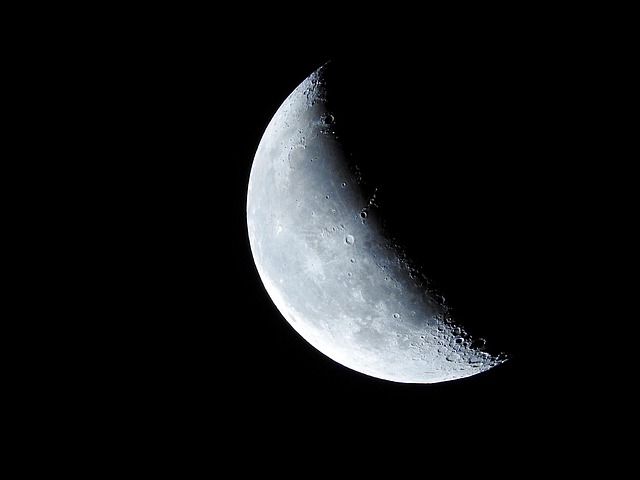
PARTIALLY HIDDEN MOON:
To us it may not be a biological living planet as we know it, but it still has a huge geological effect on planet Earth.
Its magnetic force causes the tide to turn twice per day, and it helps keep the earth spinning on course.
For part of the year when nights are dark, it is visible in different sizes, crescent , half and full moon, depnding on its position.
Many countries set their seasonal clock by the appearance of a new moon, and it has direct links to the behaviour of many animals and marine life.
Historically it was thought that the full moon had an effect on human mental health, so much so, that the word "lunacy" was derived from the word "lunar".
However the jury seems to be out on this theory, and some studies show that it only affects sleeping patterns, and not behavioral ones.
The moon also help to adjust the seasons, and is at work just now as we enter autumn.
It is a calmer time of year as crops are harvested and fruit and vegetables are ripe for picking.
Weather is generally more settled as the heat of summer is disappearing and the cold of winter has not arrived.
It is a time of reflection and gratitude for the year to date.
The sun and the moon are the two planets with which we are familiar as they are the most visible to us, but looking at the night sky, and seeing the thousands of "stars" which are indeed planets many thousands of light years away, it brings home just how mysterious and amazing the night sky is. We have no idea how some of those planets may be affecting us, and as they are so far away, we will never know.
At the moment we have a functioning planet called Earth. It sustains life and provides an environment in which we can breathe, live and work.
There are many warnings of what could happen if the conditions on earth are abused. We could technically cease to exist if planetry conditions are not right for human and animal survival.
Depending which camp one belongs to, it could be a dramatic climatic series of extreme changes which would make it impossible for life on planet Earth to exist, or it could be the human abuse of the planet`s delicate balance of components which make up the atmosphere, making it unsuitable for life as we know it.
We have experienced a summer of high temperatures, which has shown how the increase of heat has made the first uncomfortable signs of some sort of change afoot.
The extreme heat has affected outdoor life.
Water has been drying up, which has affected how crops have been growing, resulting in a low yield harvest, not to mention shortage of domestic water supplies.
Wild fires have been raging out of control bringing fear and enormous damage to widespread areas of land and domestic habitation.
Some may say that it is a one off, and regular weather patterns will be normalised next year, whilst others say it is following a predicted pattern which may well get worse.
If the weather patterns change to such a degree that life becomes intolerable, it will have a devastating effect on planet Earth, and one can see how it could literally burn itself out.
Surely we need a common sense approach to minimize the harmful effects of climate change as we are beginning to know it.
Whilst talk has always been meeting net zero targets largely through industry, we can start acting within our own local communities.
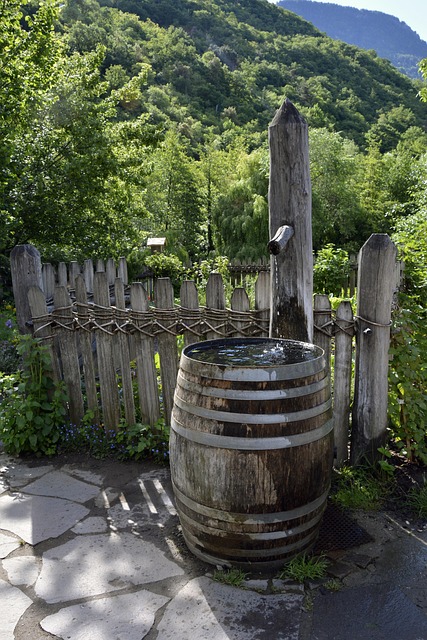
SAVING WATER:
We should start thinking of conserving and saving water, minimizing naked flames which could set grassland alight, looking at housing legislation and considering a hotter climate rather than all the energy going into keeping buildings warm.
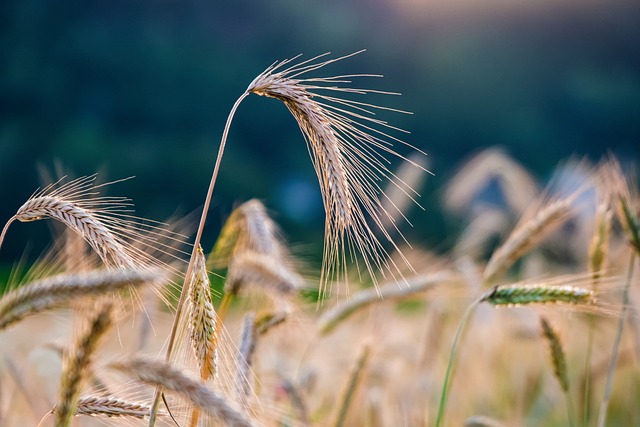
HARVESTING CEREALS:
We need to look at cereals, fruit and vegetables which are more suited to hotter drier climates rather than the traditional ones which have not been thriving.
Working and school hours may have to be aligned with other hot countries to provide a more comfortable environment.
We are all familiar with countries like Spain taking a siesta during the hottest part of the day, and working into the evening when it is cooler, and school children starting school early to avoid the heat.
Many species of flora and fauna have mutated over time in order to survive through various challenges. We must do the same, or we may face extinction.
It is a very real sobering thought, and one which may not directly affect us, but that of future generations.
How dreadful, if the legacy of our once great world was handed over to them in the form of a planet not fit to sustain life. How very selfish of us.
Many practical adjustments can be made, but at the end of the day it will depend what is causing the changes to our environment and how far we can develop mechanisms to combat it.
