
Due to a variety of factors outwith our control, we find that items which we consider essential to our western way of life are being threatened, and as a result are becoming more expensive.
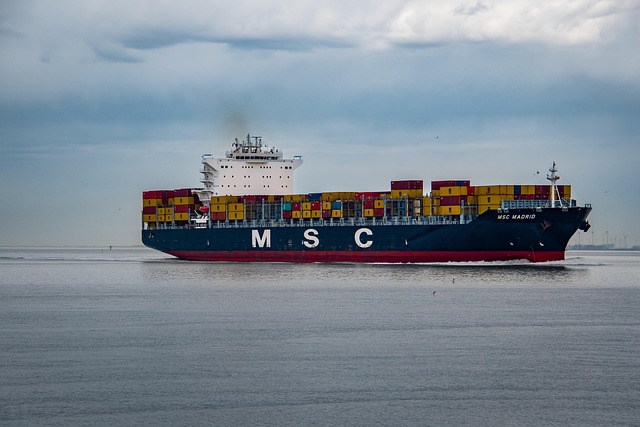
CARGO VESSEL CARRYING IMPORTS:
Conflicts around the world have an adverse effect on foreign products on which we depend.
Immediately we think of energy prices rising, as difficulties in sourcing and transporting fuel continue, but there are many other commodities which we may not associate so readily, and may take time to filter through, such as building materials, medications and many textile items from abroad.
Whilst the arguments continue as to whether we should continue exploration of the North Sea or immediately switch to renewable energy, we must remember that much of the world`s fertilizers depend on gas in the oil industry.
Organic fertilizers which are still used, realistically cannot cope with a world wide demand, and in order to nourish the ground in which to grow crops, artificial fertilizers are required.
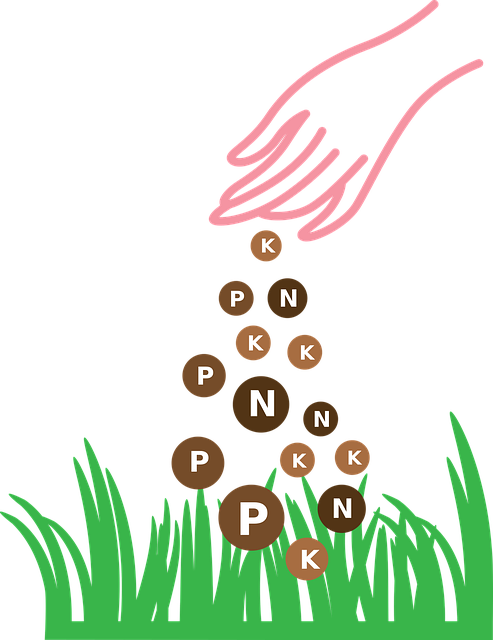
ARTIFICIAL FERTILIZER (PHOSPHATE, POTASSIUM, NITROGEN)
This is when we should sit up and take note, as depending on our thoughts on why we are experiencing changes to our weather patterns, no one can dismiss the fact that the climate is changing.
There are examples of it all around the world, from melting glaciers to excessive temperatures of heat.
For the last few months, there have been some unacceptably high temperatures in Europe and also in the south of the UK, causing an unwelcome drought situation.
This may be considered a welcome summer weather boost for some, but after a few weeks, reality kicks in.
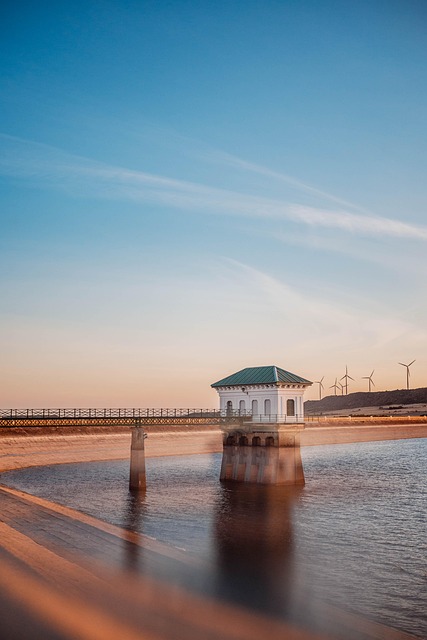
RECEDING RESERVOIR WATER:
There are water shortages, unpleasant working conditions, gardens drying up and health warnings for humans and animals.
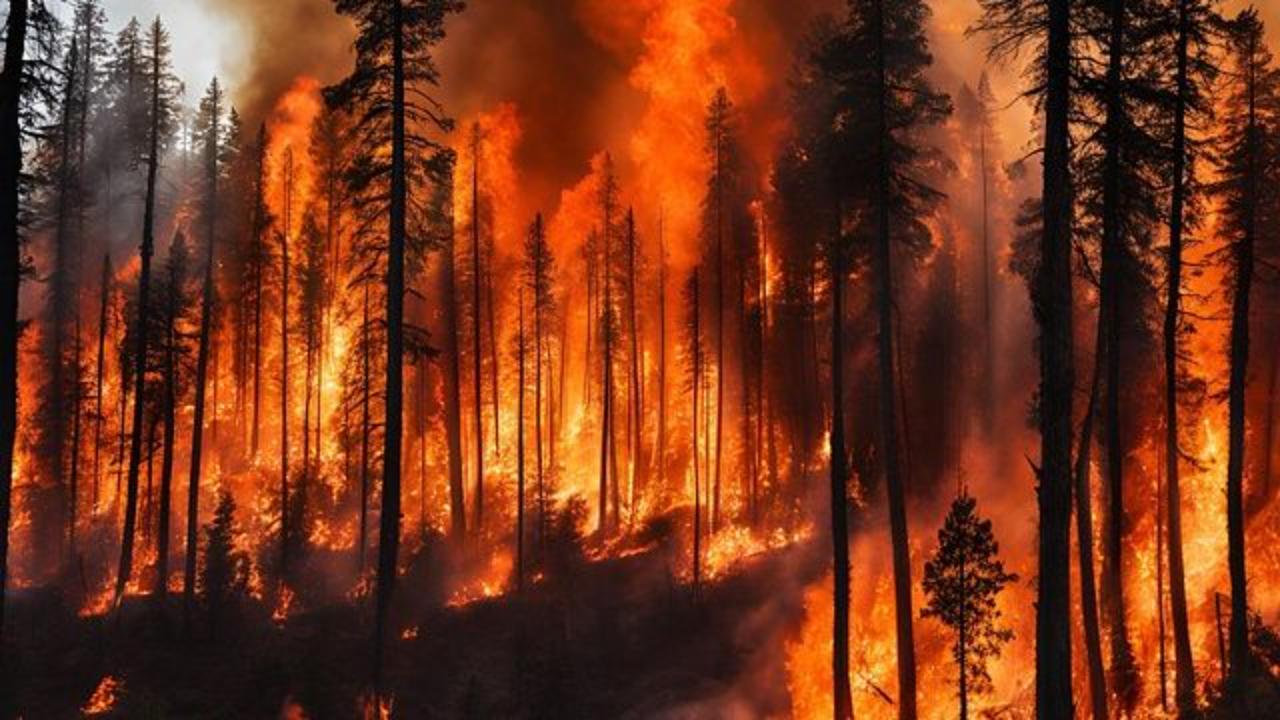
We can also see the devastation that forest fires can have, destroying acres of woodland and the flora and fauna within, and threatening human habitation.
The next reality check facing us is food production, or rather the lack of it, resulting in food shortages.
Regardless of the food choices of individuals, our food expectations hinge on cereal crops, animal and poultry meat, dairy products, fruit and vegetables.
Even if one supports the exclusion of some of these items and prefer imported products from abroad, it may be that the availability and transportation of these goods may also be affected.
At one time the UK provided food for everyone. In fact following World War 2, farm subsidies were created in order to feed the nation.
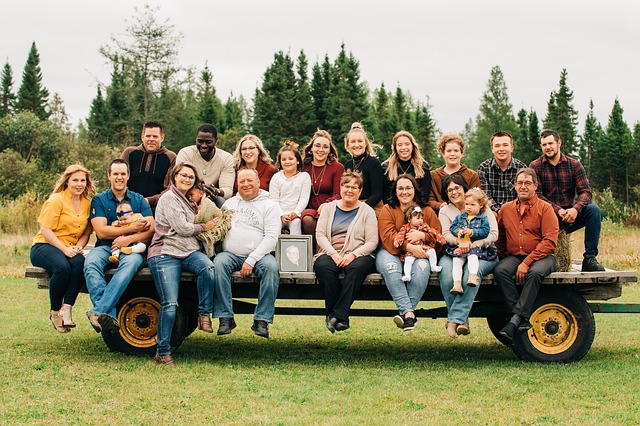
FARMING FAMILIES:
The family farm took the lead. The way of life was generally a mixed farming concern, often passing from generation to generation.
It was never an easy life, where the work was constant with long hours and a seven day week. Family members helped and although the work was hard, it was an enjoyable life, and was often the centre of rural communities up and down the country.
Work was seasonal, with crops being sown in springtime, growing in summer and harvested in autumn. Winters took care of animal welfare, farm maintenance and rural management.
Livestock was managed throughout the year, depending on whether it was a dairy or beef herd of cattle, and whether sheep, pigs and poultry were part of the stock.
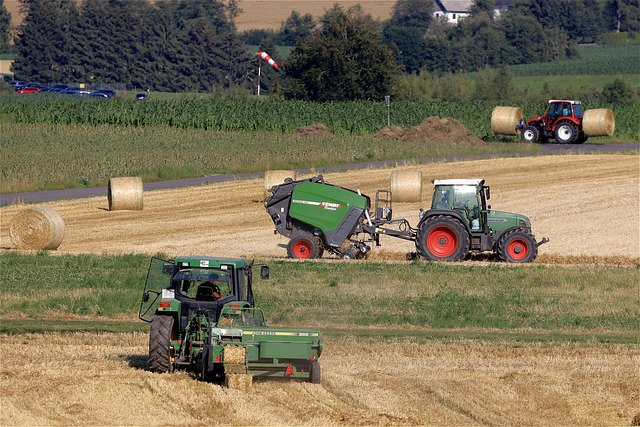
HARVEST TIME:
Cereals were and are necessary for all types of feeding from flour and bread to animal feed.
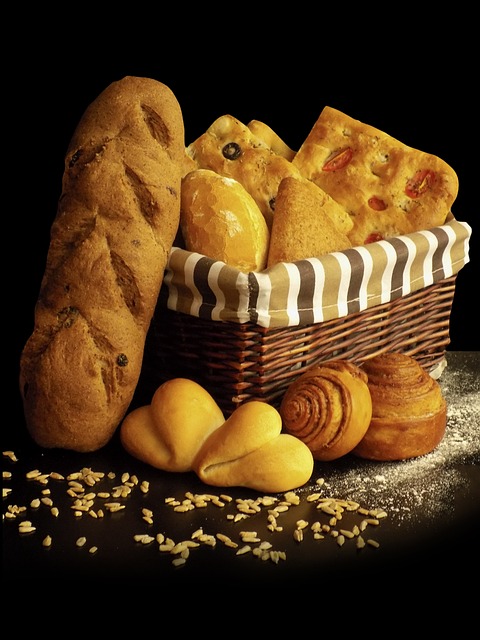
BREAD MADE FROM FLOUR:
Milk and dairy products are produced and meat from cattle, pigs, sheep and poultry are provided for a ready market throughout the UK.
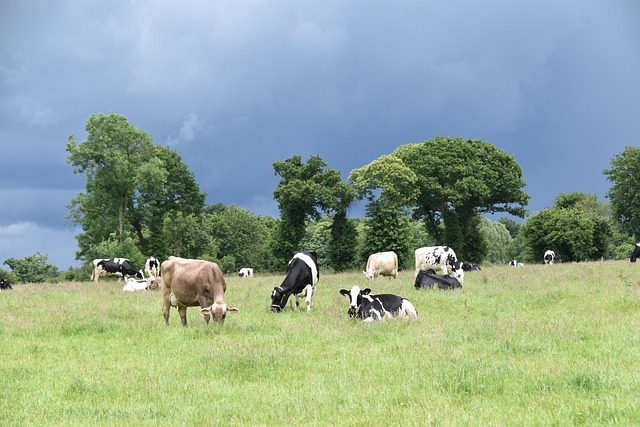
DAIRY HERD:
Farmers have always valued their land, whether it was owned by them or rented.
They took and continue to take a pride in looking after what Nature has provided, by taking care of hedgerows, wild life and birds, and making sure that fields are properly drained and maintained, and woodlands properly managed. They understand and respect the seasons and have a wealth of knowledge of their rural communities.
Over the years, intervention by successive governments and an increasing number of outside agencies have made farming in the more traditional sense, very difficult.
Endless paperwork and protocols to be followed, plus many other economic factors have taken much of the joy and satisfaction out of farming. Many youngsters from family farms have had to consider a different way of life as farming is not seen as a sustainable one for many family members.
Technology has enetered farming in a big way, and much of it in a positive light.
Many labour saving devices have removed a lot of the back breaking work load, and many machines have also cut down on physical labour.
This of course adds to the overall farming overheads which in present times, are due largely to increased energy costs which are crippling. Fuel and electricity consumption on a farm is high, due to machinery and livestock maintenance,
Over recent years, the farming industry has been rather ignored, the result being that the family farm is almost a relic of the past, and once gone cannot be replaced. The feeling coming across being that they are no longer required and don`t fit into current models of the rural big picture.
It also has to be said, that many of these decisions are made by people who have quite possibly never been on a farm in their lifetime, and have little or no knowledge of the countryside.
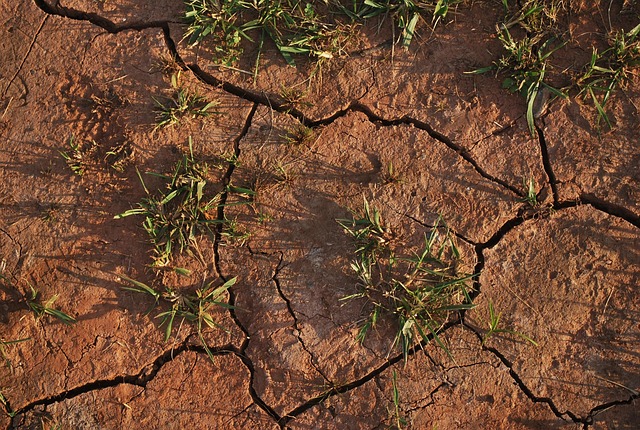
CROPS UNABLE TO GROW IN DROUGHT HIT GROUND:
However, as we speak, the realization that the climate has affected the cereal and vegetable crops so badly due to drought, and that animals are struggling to have the necessary quota of water, we are facing a food shortage head on.
We have few family farms left and the large cereal farming units have been very badly hit due to their size. What do we do?
Imports will be down as other countries have also been hit by drought, plus there are transportational difficulties from certain areas of the world, so prices will escalate and choices will be fewer.
They say that climate change is of our own making, it can be argued that the decline of the farming industry, and of the family farm in particular, has also been of our own government`s making.
If we want to eat food, then farming in some form or other must continue as what is the alternative?
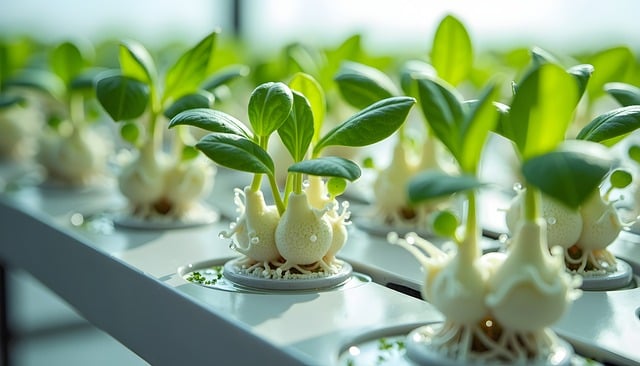
LABORATORY GROWN VEGETABLES:
There have been some revolutionary pilot schemes, particularly in the Netherlands, where vertical farming of fruit and vegeatables is successful and alternative methods of dairy farming are being tried out.
Experiments of laboratory food production are also underway, although require a great deal of energy to produce.
Farmers have always been resilient and open to change in order to move forward, but at the moment they need some practical and financial help to feed the nation once again, which is surely one of the the self sufficiency messages coming out of the Brexit result?
Opt In for for updates!