Blog Corner: ??? CAUSES of GLOBAL WARMING

Spring is on the way!
We can watch first hand, as the environment wakens up after its winter sleep, to resume its purpose of producing the building blocks to sustain a healthy world in which all kinds of life, including human life, is supported.
We know and expect certain factors to be present for healthy conditions to reproduce and continue a variety of species.
If these factors are not present, life of that species, be it human, plant, animal, insect or aquatic, will either not survive or will reduce in numbers and eventually become extinct.
There are good and bad entities. Harmful ones can also reproduce and become powerful influences.
The environment strives to exist in balance despite dominant forces threatening to over run.
Planet earth has existed for thousands of years, long before the realization that many of the parts which make up the planet had a strange thing called life, which dictated how things lived in certain conditions, had a definite cycle of birth, growth and death, and was influenced by outside factors.
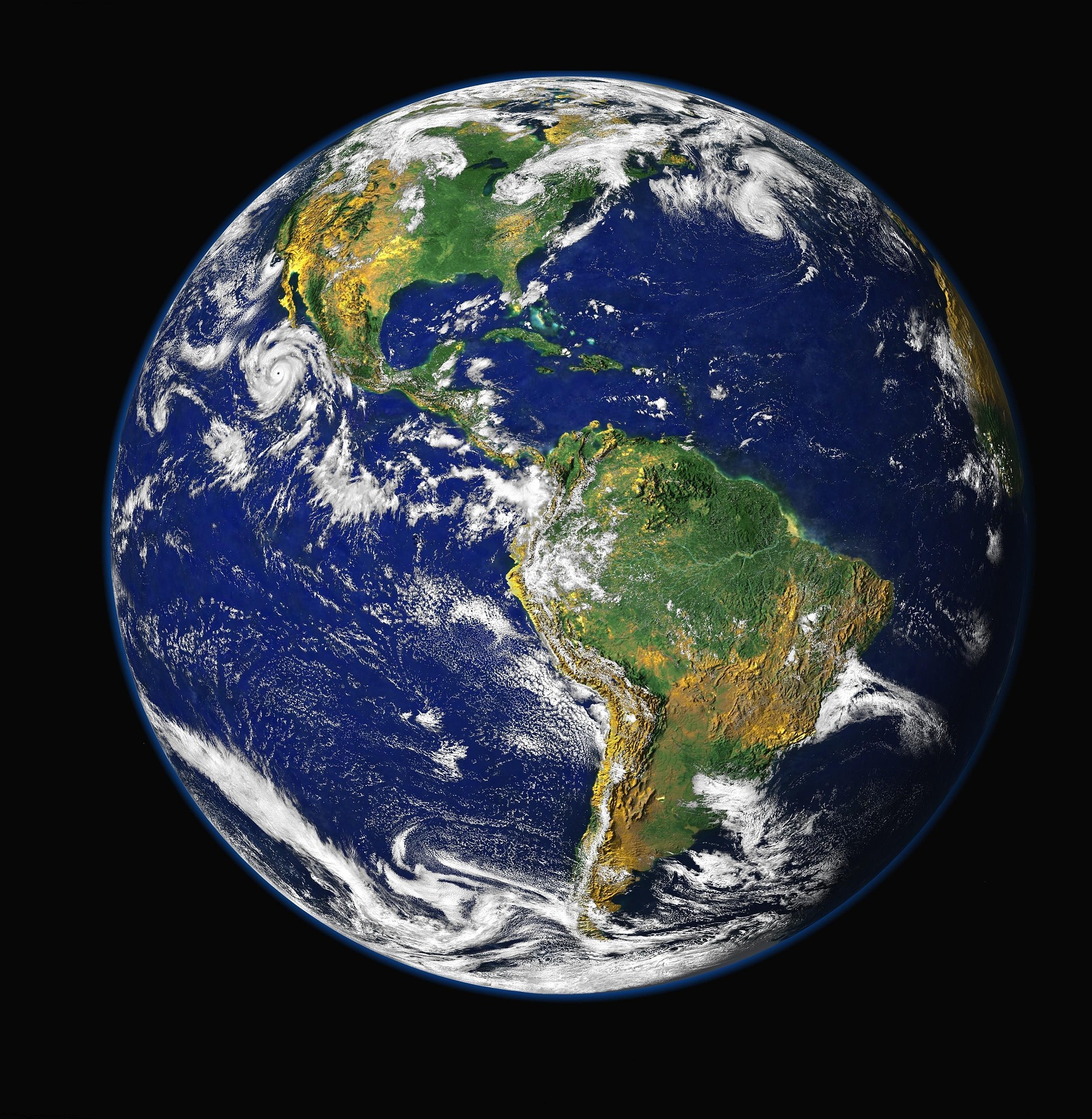
PLANET EARTH:
Planet Earth is just one of thousands of planets which can be viewed in the night sky, all be it many light years away.
It is not an accepted fact that other planets could or at least did sustain some sort of "life" at some point, but it would seem odd that our one planet out of all others would be the one to support "life".
"Life" to us has to have oxygen, carbon dioxide, and water to create and sustain it, allowing for reproduction and growth.
"Life" on another planet would be very different. The atmosphere, minerals and environment would possibly not be familiar to us, so as humans we would not be able to identify living conditions.
We also have to remember that most planets appear dead, but could have sustained some sort of "life" before their demise. There could be many reasons why planets disintegrate.
Could it have been a world wide pandemic, a devastating world war, toxicity from explosions or poisons or extreme global warming?
It is not unusual for a race of people, often with a high rate of civilization to become extinct due to disease or environmental reasons, so not impossible for a planet to do likewise.
The vital ingredients which are required for planet Earth to stay alive are oxygen, carbon dioxide and water vapour plus other gases.
These are to be found mainly in the atmosphere, commonly known as "air".
The planet is also made up of many layers of hard matter consisting of rocks and geological material which are the results of solidified molten lava from earth movement and volcanic eruption.
Many minerals which are vital to the sustainability of the planet are also found.
Over time much of the hard mass has been worn down by weather elements resulting in the formation of mountains, glaciers, and earth of various types which has a direct effect on the growth of vegetation including crops.
Many forms of life have been identified on planet Earth, from massive dinosaurs in the Jurassic period, to present day, much more fragile human species.
Alongside these significant changes has been the climate.
It consists of the air which we and the living things require to continue life.
"Air" is made up of the gases which were mentioned earlier, oxygen, carbon dioxide, hydrogen, water vapour and many more.
These gases can be variable and affected by outside influences such as geography which dicates the weather.
Weather is an amazing creation which can act in different ways depending on geography, location and influence of the sun.
The heat of the sun creates an environment for growth, but it must be accompanied by water, usually in the form of rain, in order to activate and cultivate growth.
This is particularly relevant to vegetation.
Rain is produced when vapour from the earth, forms clouds which when they reach a degree of saturation, fall as rain.
If rain falls on geographically mountainous terrain, rivers and lakes can form, eventually becoming oceans and seas, which can contain many of the minerals washed from the geographical matter such as rocks and minerally enriched material.
Living creatures which include, animals, humans, marine life and insects, all need the existence of weather conditions in which to live, reproduce, grow and die.
There is clear evidence to suggest that every few thousand years, a climatic change will affect the planet and have a direct effect on it by influencing all that lives on it.
The ice age is a good example, as ice covered parts of the world, and still does, making living conditions for most living things very limited or impossible.
As we know it, our planet is divided into different weather and climatic zones.
Examples such as the north and south pole areas have the remains of the ice age.
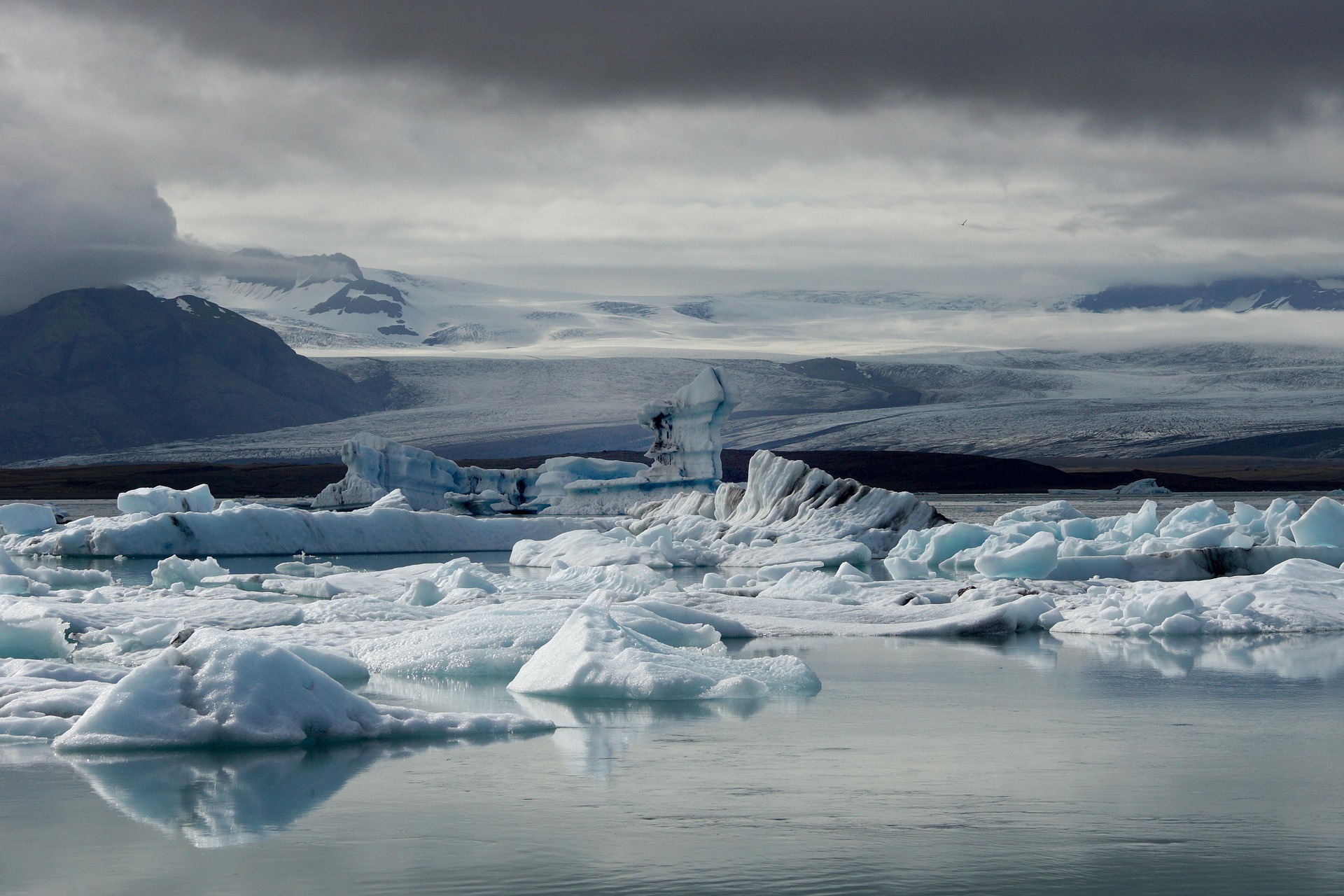
MELTING GLACIERS:
Vegetation finds it difficult to establish in such conditions, but several animal species, birds and marine life can be found.
Countries which are situated on or near the Equator, which is an imaginary latitude marker dividing the planet into two hemisheres, have constant direct contact with the sun, and are very hot.
Many of these countries can be geographically flat, which means that as well as being hot, they have very little rainfall, resulting in less than ideal conditions for growth of vegetation, and in some cases are considered desert areas.
Countries midway between a hemishere are warm and have an adequate fall of rain, produce ideal conditions for growth of vegetation and are popular places for humans to live.
At the extreme polar end of the hemisphere the area is covered in ice.
At the moment the world is caught up in a debate of climatic changes.
There is much evidence of weather patterns changing and extremes of temperature and climate being experienced.
This has prompted two schools of thought. Those who say that it is a natural pehenomenon which occurs every few thousand years, and that is what we are experincing now.
They claim it is a fact of nature and we will have to see where it takes us in the future.
The other view is that humans have created a situation by our carelessness of looking after the planet.
Since the industrial revolution of the 20th century, many manufactured particles have been allowed to enter the delicately balanced atmosphere in the form of carbon from industrial chimney smoke, chemicals from factories entering rivers and waterways, the development and use of chemical and pharmaceutical products which have a wide range of uses from artificial fertilizers to personal, commercial, and household products. Also indirectly affected are vegetation, animals and marine life, not forgetting the insect population.
There is evidence that humans are poisoning the environment which is shown in the altered behaviours and health of not only living things including humans, but the environment in general.
Climatic temperatures are rising and is known as Global Warming.
Frozen ice Poles are melting, resulting in raised sea levels which are encroaching on some island and coastal communities.
Forest fires are devastating countries and rainfall is increasing which is causing flooding and wind storms such as hurricanes are becoming increasingly evident.
Conversely, due to the temperature rise, different forms of life are adapting to the warmer conditions.
As ocean temperatures heat up, marine life especially is now migrating into warmer waters which was previously too cold.
Increased rainfall in some desert areas shows encouraging signs of increased vegetation, which will bode well for the future as crops may be able to be grown which was an impossibility before. This has obvious improvements for economies.
Perhaps one of the most affected victims of this global toxicity, is the maintenance of the human body itself.
Never before have we relied on chemicals, including the wide spread use of plastics in our daily lives.
We ingest them in the form of food preservatives and additives, and particularly medications, inhale them from the atmosphere and breathe in all sorts of chemical sources around the house and work place, use them directly on our bodies in the form of shower gels, make up and toiletries and live in chemically laced homes.
Our immune system which is there to filter unwanted bacteria and keep us healthy, is being bombarded by these toxic chemicals even from a young age.
It is no wonder that so many of the "new" types of unexplained fatigue symptoms following Covid and many other viral illnesses all demonstrate a weak immune system which is not working efficiently or effectively.
In order to try and feel better, more medication is prescribed which amounts to pouring fuel on the fire.
We have all benefitted from the amazing uses of plastic over the years, but it has been found to not be biodegradable, which means that for the millions of tons of plastic used throughout the world, there is no effective way of dealing with it.
It therefore finds its way into landfill sites and into the oceans where it can cause physical damage to marine and wild life.
Microbeads are tiny grain like beads of plastic which are extensively used in the cosmetic world. These beads find their way into the sea and are ingested by marine life.
Because they are so tiny, they become embedded in fish flesh for example. The fish is then caught and enters the food chain, still with the micro beads embedded. This is ingested by humans and can be stored in the gut and various organs for years , storing up trouble.
The climate may be changing as a major shift to something warmer which would have been due to happen anyway, but there are many things which humans have done which do not respect and look after the planet.
Rather than concentrating on some of the massive projects to reduce carbon, there are so many things humans can do to help keep the air and environment clean.
Reducing household toxicity by not using so many chemical cleaners.
Making sure rubbish is properly disposed of, especially plastics, together with reducing the amount of plastic used domestically and commercially.
Reducing and avoiding foods containing additives and enhancers.
Taking more exercise by not always using a car, and where possible buy or grow chemical free produce.
If everyone made some small changes in their everyday life, it would add up to a significant contribution in the overall maintenance of our wonderful planet with its amazing seasons, climate and living things.
