Blog Corner: EMERGENCY! EMERGENCY!!
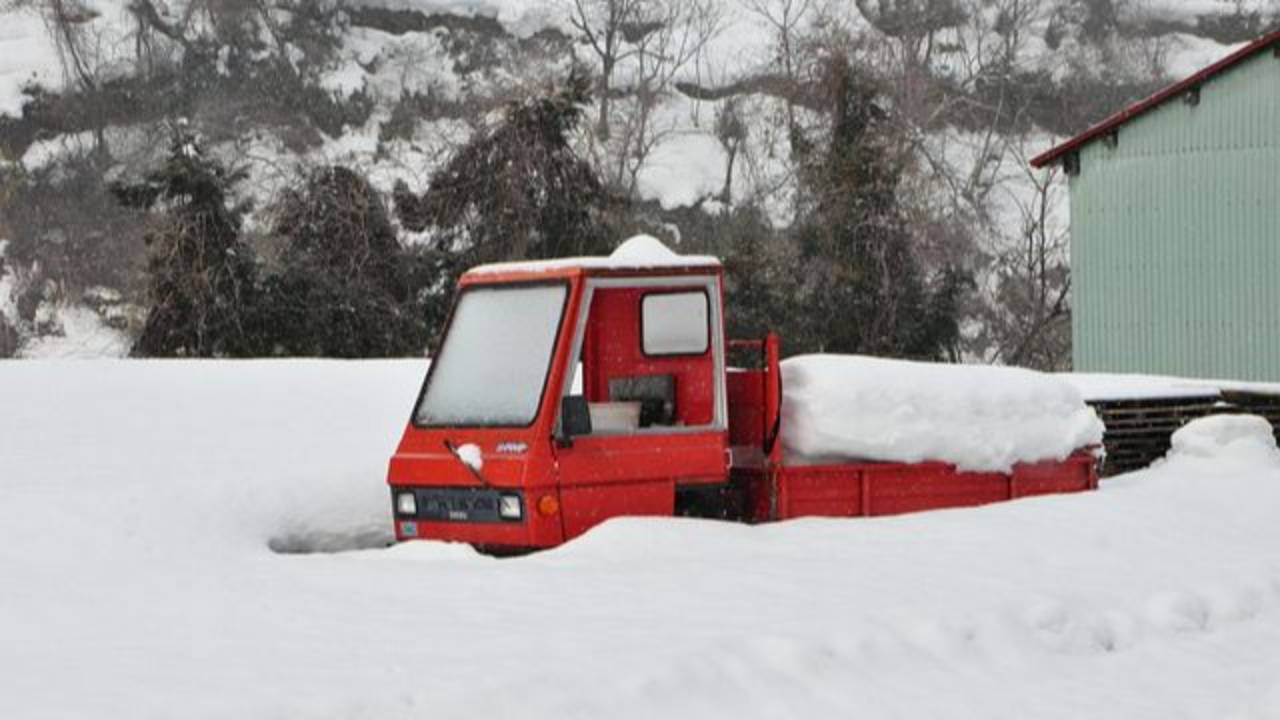
After watching TV and reading some social media responses, it is clear that many people do not take seriously the threat of a possible war, or disasters such as cyber attacks or even just prolonged bad weather, which might curtail their way of life. They certainly don`t see any need to make preparations for how they might cope with such events.
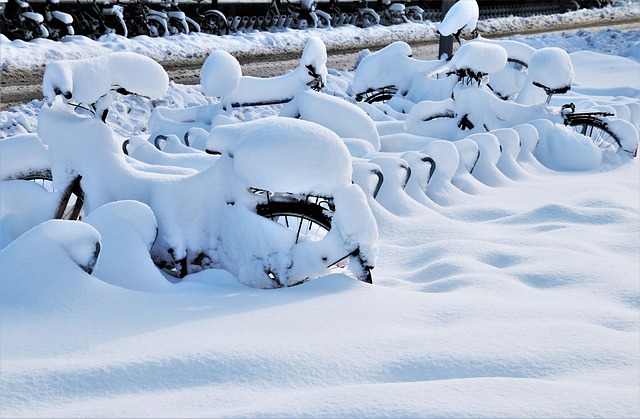
We live in a society where everything is made to make life as easy as possible, with the minimum of effort.
Technology and inventions mean that we expect to have what we want instantly, whether it be using technology for entertainment purposes, work , or keeping warm and well fed.
There is an age divide to this. The so called ghastly wealthy boomers and over indulged, entitled youngsters.
The boomers will have experienced a bit of hardship. Depending on whether they were actually around during WW2, or in the years immediately afterwards, many of them would experience what is now termed "off grid" living.
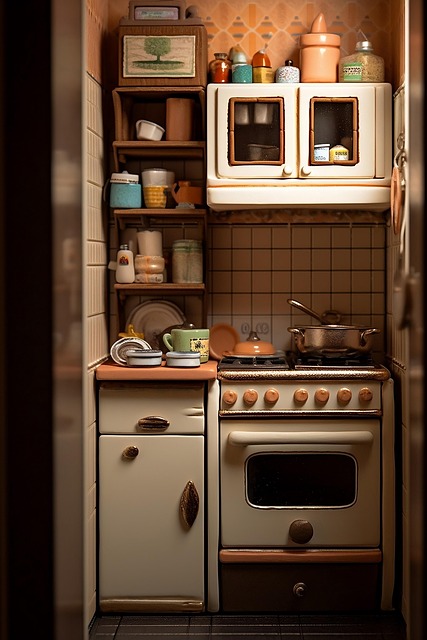
That means mains electricity and gas were still in their infancy. Many people, particularly those living in rural environments, had not been hooked up to these services, so had to use other methods for heating, lighting and cooking. Open fires were available in most homes, which provided heat and a cooking facility. Light may have been provided by lamps running on fuels such as kerosene.
Fridges were very much a luxury, enjoyed by only a few, so food had to be kept in a cool place known as a larder, which had cold slate shelves and a small metal net grid window, which allowed a good flow of fresh air which kept the temperature down, and food fresh.
Dairy products, eggs, meat, cereals, bread, fruit and vegetables were all kept there.
It has to be remembered that food was not processed as it is today. Fruit and vegetables were made into jams and chutneys to prolong their life, and nothing was wasted. Meals were made from scratch and home baking provided bread, scones and cakes.
Shopping was done on a regular basis as perishable items didn`t have a long shelf life. There were no supermarkets, and shops provided specific items such as butcher, baker, fishmonger etc. Shopping budgets were tightly controlled and there were no credit cards. Post war "rationing" was also in place until the early 1950s, which limited what one could buy.
Water was also not so freely available. Many in urban areas were lucky to have piped water into their homes, but many others still had to collect water from a central point or an outside stand pipe.
Central heating in homes did not exist at that time, and only became popular in the 1960s when North Sea gas was discovered.
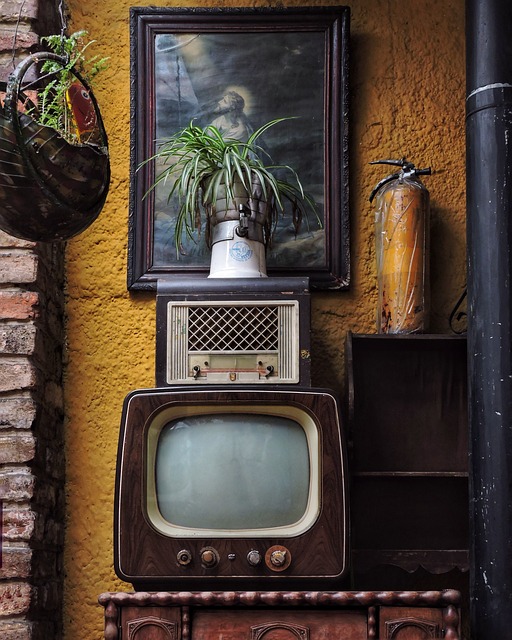
Television was very much in its infancy and took until the 1950s before it was more widely available. Only a few channels existed, and picture was in black and white. Radios were the main means of listening to news and entertainment and were powered by batteries.
Car ownership was limited to those who were "better off". They were very much considered a luxury. However, car ownership increased year by year.
Children walked to school as did most workers.
A visit to the pub or cinema at the week end may have been the only social entertainment available, with perhaps community functions at various points in the year.
Youngsters made their own entertainment. Those in employment had a regular wage, whilst those at school had a Saturday / after school / holiday job. Those in work often contributed to the household budget to cover their board and lodgings.
Not every house had a land line telephone. If one of the lucky ones, it was used by everyone in the household, and was in a permanenet position, often in the hallway.
Home ownership was not hugely available for most working people. Credit was not widely encouraged, so money had to be saved for several years to cover accommodation costs and furnishings.
Those who lived through those times will appreciate the need to be practical, live within their means, and to be independent and resourceful, and find ways around obstacles.
"BORN IN 1948" is an excellent video available on YouTube, which highlights what life was like in the post war years.
To younger people who have enjoyed a much more comfortable upbringing, they have no idea what it is like to do without what they consider "basics", so therefore probably can`t contemplate what life would be like without technology taking centre stage.

Two comments from members of the interviewed public were as follows.
"How would you cope if there was a prolonged power cut and you ran out of food"?
The answer was, "Just get take aways sent round".
Another answer was "Just use everything in the freezer".
Both of the interviewees, did not realize that no take aways would be available in the event of a power cut, as the take away business would have no electricity to make meals.The second person was also unaware that there would be no electricity to the freezer, so food would rapidly melt and be unusable after a short time.
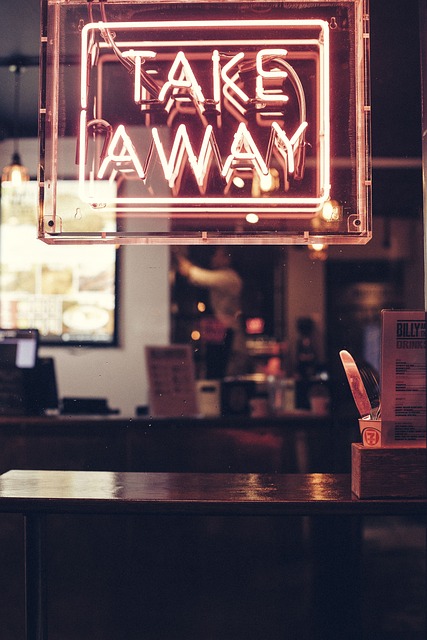
Being without electricity has huge implications. It affects the basics of heating, lighting, cooking and communication, which in turn affects just about everything we do.
Young people may find life extremely difficult with no link to their social platforms and computer games, and having to improvise many of the things normally taken for granted.
I would imagine that those who either ignore or do not take these possible threats seriously, will be the first ones to complain when they are faced with the reality of some of these situations. They will want the government or local authorities to provide them with alternatives plus help and support. In other words expect everything to be done for them.
There is nothing new to keeping a stockpile of approriate things to have for emergencies. There is a multitude of excellent products on the market which are used by campers and outdoor enthusiasts.
Generators, kettles, pots / pans, stoves, batteries, solar lights, torches, candles, matches, gas lighters, heaters and radios have come a long way since war time. These are widely available and not necessarily expensive.
Food can be tinned, or in long life packaging. There are even self heat up packets of food which become hot once seal is broken. Efficient flasks can keep food hot or cold.
There is also a range of items which can be used as washing and shower alternatives, plus the usual toiletries.
Clothes would have to be hand washed and preferably dried outside if conditions allow.
Water, cereals, pasta, rice, potatoes, cheese,eggs, long life milk / butter, jam, peanut butter, tuna, sardines, oil, tomatoes, soup, beans, dried herbs, salt, pepper, pizza base, tea, sugar, coffee, fruit juice, biscuits, rich fruitcake and chocolate are useful staples. Obviously baby food if there is a baby in the house.
Dont forget the animals , although they are well catered for already as far as cats and dogs go, their varieties and packaging are already good.
Many things just require heating up on a stove rather than prolonged cooking.
A BBQ with a gas canister can be used to cook a roast or chicken with veg and potatoes. The larger BBQs can cook all manner of things.
Sleeping bags and extra bedding are also available in a wide range with microfleece blankets being warm but light weight.
Many countries abroad have always had a store of emergency food and equipment, particularly the Scandinavian countries where snow may block them in for weeks at a time.
Also in this country, country dwellers and areas prone to regular power cuts have emergency supplies at hand
They also tend to have a good community spirit, reaching out to the elderly and for those needing practical help. It tends to bring out the best in people under such circumstances, not the opposite, when the public complain about everything and leave it to others.
Let us hope that the world will settle down and look after its countries, and make them peaceful places, unlike Mother Nature who is very unpredictable, and seems to enjoy throwing us a curved ball or two.
With some planning and common sense, we can be well prepared to meet these challenges, and at the same time share some of our ideas with each other, which improves world wde communication and resillience.
WARNING:
I have mentioned candles as a possible source of light when no electricity is available. It is one of the cheapest forms of limited light and is readily available.
A word of warning, as candles are a common source of house fires as are very easily tipped over and are often placed beside flammable materials.
If they are being used, make sure they are placed in a safe place and not left with no one to check on them.
Care must also be taken with anything requiring a naked flame such as cooking stoves, and the general use of matches.
